
The Ultimate Guide to the 5 Stages of Enterprise Automation Maturity
Our enterprise automation series will show you how to eliminate manual tasks and optimize your processes using RPA, BPM and other automation solutions.

When it comes to cybersecurity defense strategies, understanding red team vs. blue team vs. purple team approaches is essential for building resilient protection against modern threats.
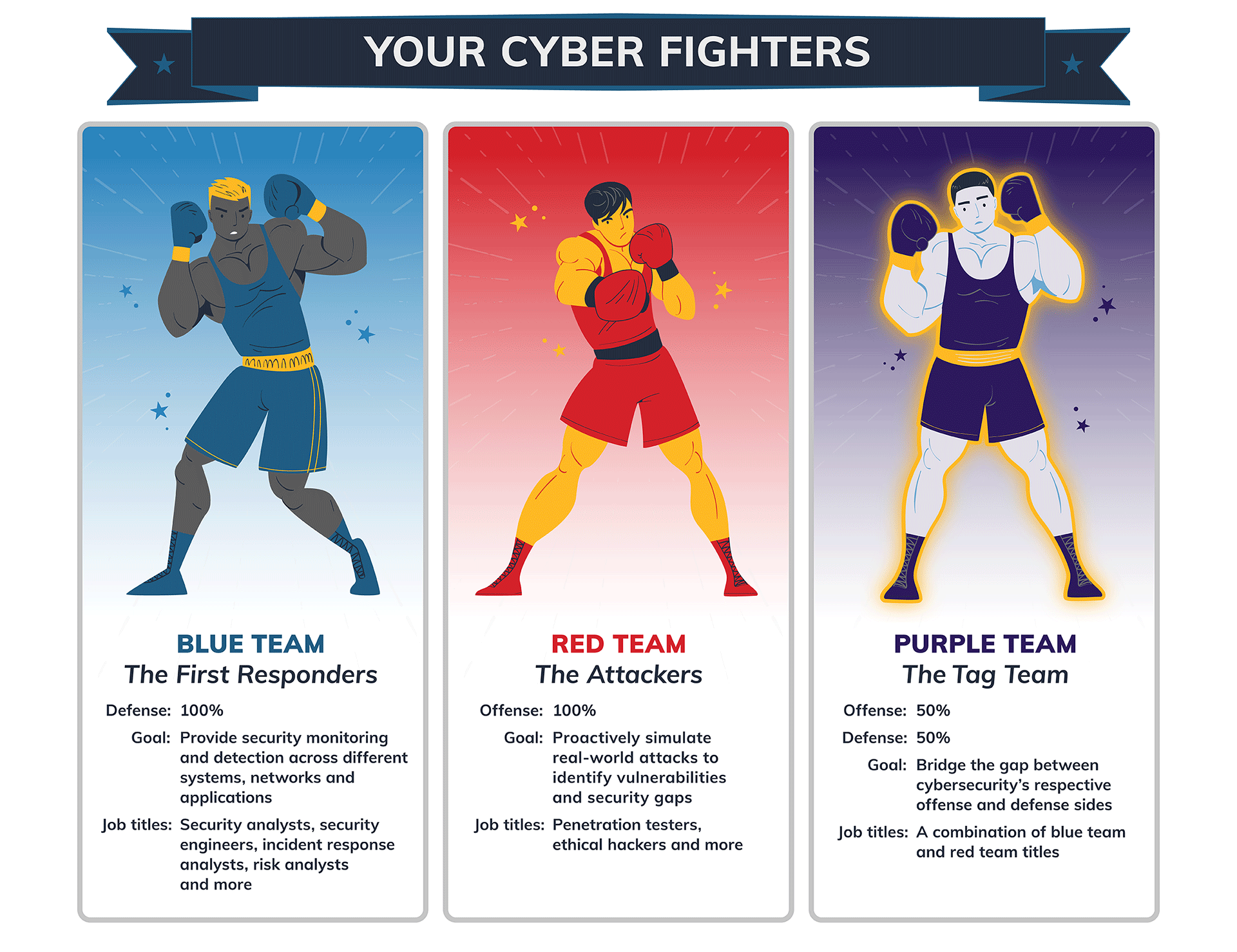
Red teams function as the offensive attackers, simulating real-world cyberattacks to identify vulnerabilities. Blue teams serve as the defensive first responders, monitoring systems, and detecting threats across networks and applications. Purple teams bridge the gap between these two sides, combining the offensive tactics of red teams with the defensive expertise of blue teams in a collaborative, continuous improvement cycle.
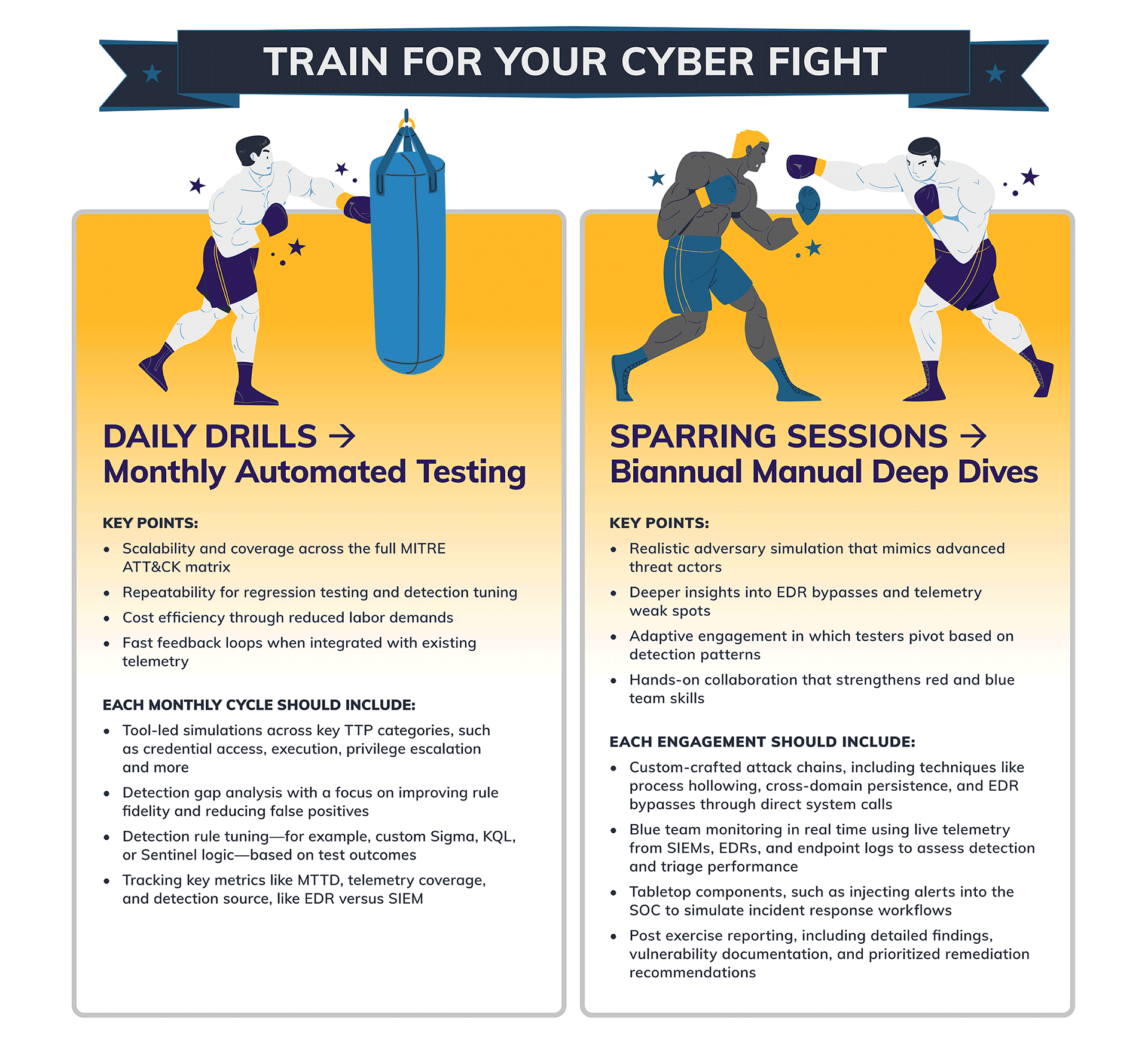
The real power of red team vs. blue team vs. purple team strategies lies in recognizing that no single approach works in isolation. Just as a championship boxer doesn’t rely on strength alone but combines daily drills with sparring sessions to prepare for the main event, organizations need a hybrid purple team program that blends automated testing with manual deep-dive exercises.
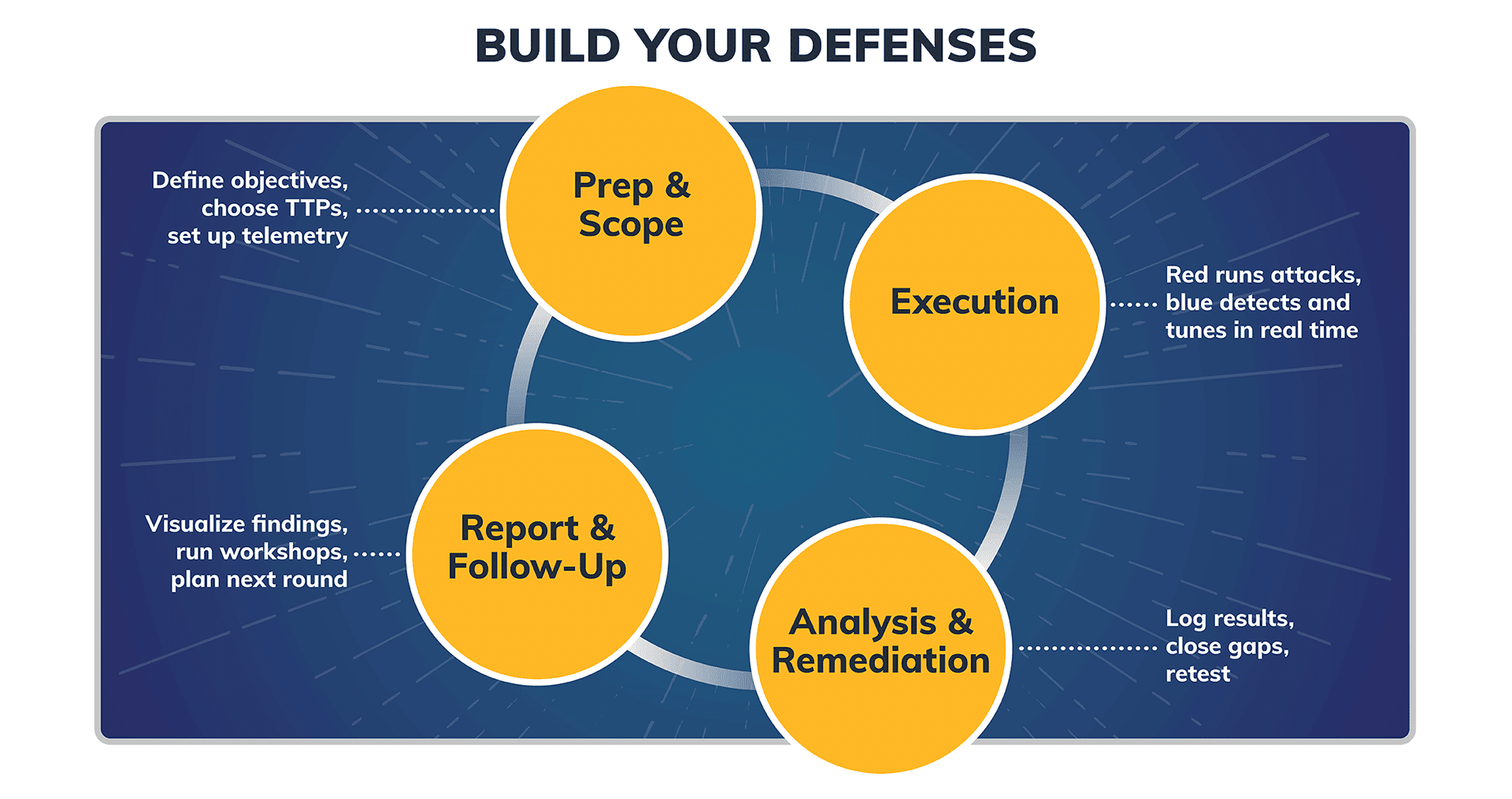
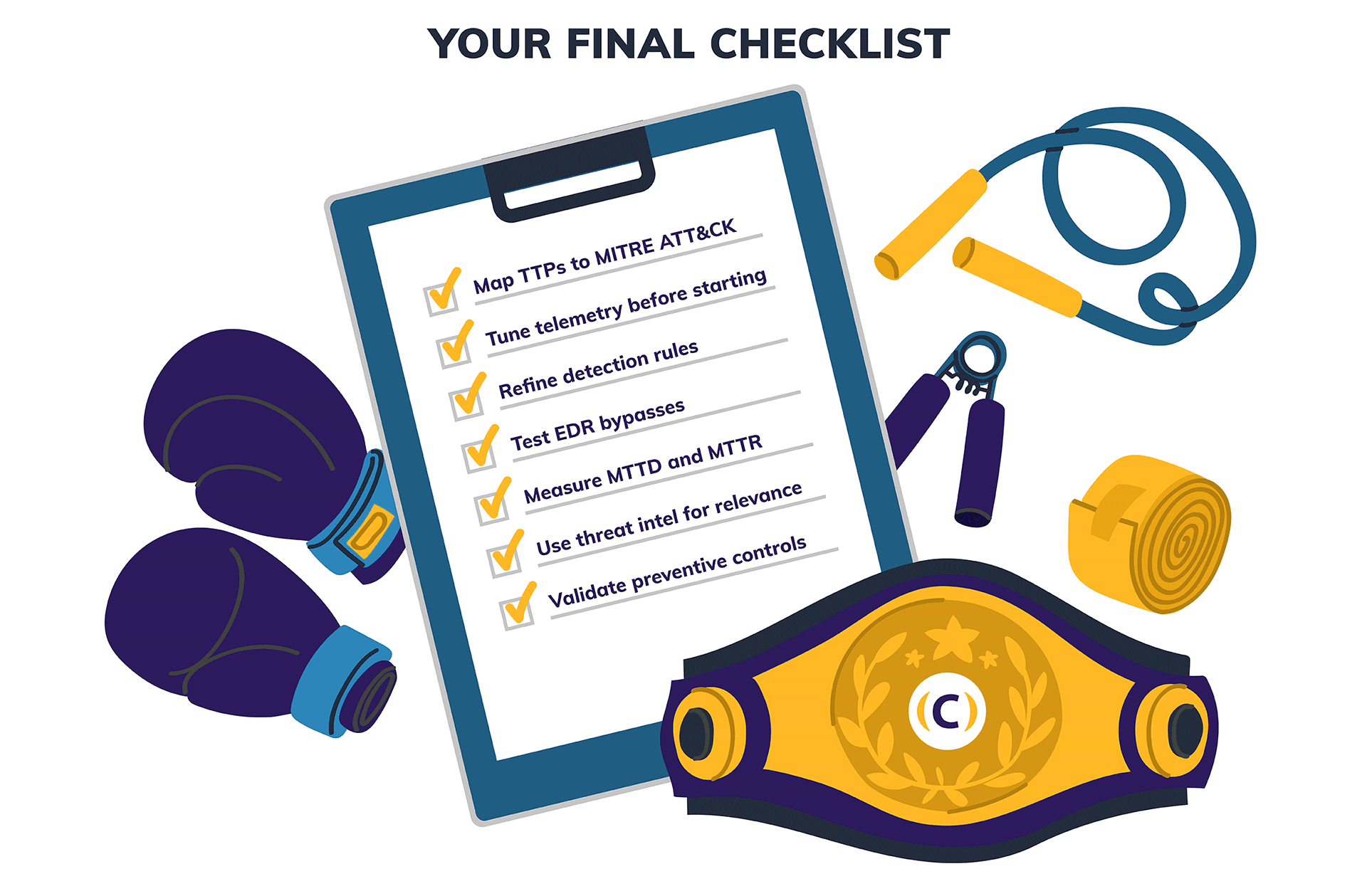
Our infographic breaks down how purple team exercises knock out cyber threats by combining the best of both offensive and defensive strategies — training your organization to detect, respond and win against sophisticated attackers.
For a deeper dive into implementing a structured purple team program with monthly automated testing and biannual manual exercises, read our full blog: Why Purple Team Exercises Are Your Best Defense Against Cyberattacks
Save the infographic below to share this winning strategy with your team.


Data breaches and ransomware attacks threaten financial stability and customer trust that could impact your organization for years to come. Our Cybersecurity experts can help you address your most pressing cybersecurity issues and keep compliance a continuous commitment at your organization. Let’s Talk